
YOUR FIRST DRAFT ISN’T BAD — It's Supposed to Look Like This
Let’s Talk About the MESSY FIRST DRAFT
I’ll go ahead and start by saying what nobody in the writing world wants to say out loud:
Every first draft is a complete mess. Not just yours, dear first time author. Not just beginners'. Every single one — from debut authors to NYT bestsellers, from literary novelists to business book veterans. The first draft is not the book. It is the raw material the book is made from, and raw material is not supposed to be pretty. Even in the age of AI, it remains true.
If you've ever opened your manuscript mid-draft and felt a wave of shame at what you found there — the clunky sentences, the repeated words, the scenes that go nowhere, the chapter you're pretty sure makes no sense — you have been failed by the myth of the clean first draft.
This post is the correction, so I am glad you have landed here.
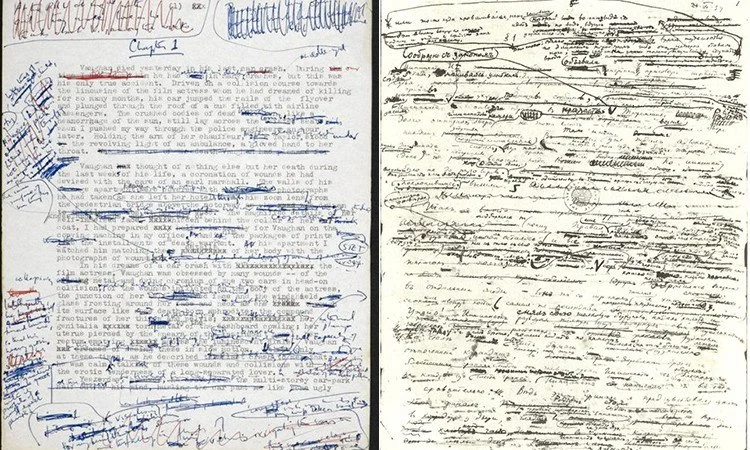
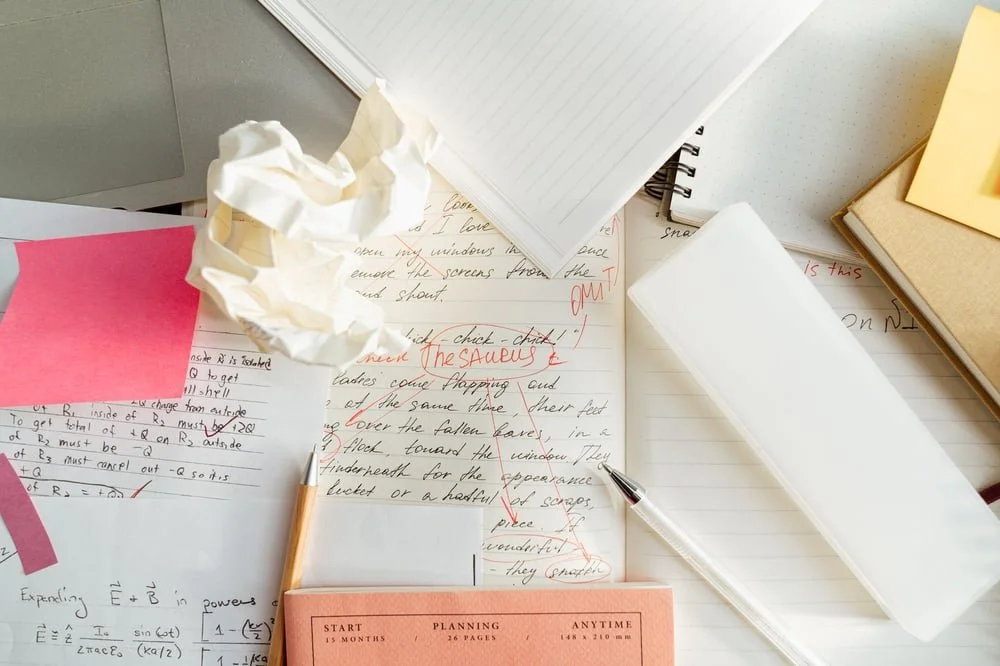
What Professional First Drafts Actually Look Like
Here's what working authors know that aspiring authors aren't told: the internal documents of even the most celebrated books would horrify you.
First drafts have notes in brackets like [FIX THIS LATER] and [NOT SURE ABOUT THIS SECTION]. They have placeholder names for characters the author hasn't fully decided on yet. They have scenes written twice because the author forgot they'd already covered that ground. They have chapters that are three times longer than they need to be because the writer was finding their way through the material and couldn't afford to stop and edit mid-discovery.
This is not failure. This is the process.
The clean, confident, beautifully structured book you hold in your hands at the end went through multiple rounds of revision, developmental editing, line editing, and copyediting specifically because first drafts aren't supposed to arrive finished. The revision process exists for a reason. The editor exists for a reason. Trust the process enough to let the first draft be what it needs to be.
You Don't Need an Elaborate Writing Habit. You Need a Rhythm.

The writing advice industrial complex has sold a very specific image of what a serious author looks like: up at 5am, black coffee, three hours of uninterrupted silence, 2,000 words before the rest of the world wakes up. A dedicated writing room. A ritual. A streak tracked in an app.
This works beautifully — for the people it works for. For everyone else, it becomes one more way to feel like they're doing it wrong.
At BOSS Books, we talk about something different. Not force. Not discipline as punishment. Rhythm.
Rhythm is the difference between grinding through a writing session because you told yourself you had to and settling into one because something in you is already leaning toward the page. It's the difference between writing from obligation and writing from what we call innate pull — that quiet but persistent tug that says this story needs to come out, and I'm the one to bring it.
You don't need an elaborate habit. You need a small, consistent ritual that acts as a signal to your brain that it's time to begin. That's it.
For some authors, it's the same chair, the same drink, the same two songs before they open the document. For others it's a short walk, or five minutes of freewriting to clear the noise of the day before getting into the real work. The ritual doesn't need to be complex or photogenic. It just needs to be yours — repeatable, low-friction, and honest to how you actually function.
When you stop trying to force writing and start building a rhythm that fits your actual life, the sessions start happening not because you white-knuckled your way to the desk but because something in you was already moving in that direction.
That's where the real books get written.
On the Resistance Gremlins (And Why They Deserve Your Love)
Let's talk about them, because they're real and they will show up. Every time, that I can promise you.
You sit down to write and suddenly — out of nowhere — the laundry becomes urgent. The email you've been ignoring for three days feels critical. You remember a blog post you meant to write. You think you should probably check your analytics. You need a snack. You realize you haven't responded to that one message. You wonder if you should reorganize your outline before going any further. You start researching something for chapter four even though you're writing chapter one.
These are the gremlins. And they are not your enemy.
The gremlins are not laziness. They are not proof that you're not a real writer. They are not evidence that this book shouldn't be written. They are fear wearing productivity's clothing. They show up most reliably when you are closest to something real — when the writing is about to get vulnerable, or honest, or harder than the last session. They are, in their own way, trying to protect you.
So we don't fight them at BOSS Books. We acknowledge them.
Try this: when a gremlin shows up — when the laundry calls or the blog post beckons — pause and name what's actually happening. "I notice I'm looking for a reason to leave the page right now." That's it. Just naming it is often enough to dissolve it.
Then, lovingly, you say: I see you. I know you're trying to help keep me in known territory. This is safe and expansive work. I'm going ahead and writing.
And you go back to the page.
This isn't toxic positivity. It's not pretending the resistance isn't real. It's understanding that resistance is a signal — usually a signal that you're working on something that matters — and meeting it with curiosity instead of shame. When you stop fighting the gremlins and start acknowledging them with warmth, they get quieter. They don't disappear, but they stop shouting.
The authors who finish books aren't the ones who never feel resistance. They're the ones who have learned to write alongside it. The authors inside BOSS Books learn how to take every opportunity to reclaim the space that fear took up and alchemize procrastination into new boldness and expanded capacity for spotlight and speaking their truth.
The Real Reason You Think Your Draft Is Bad
Here's the industry insider truth: most authors who believe their first draft is bad are not actually reading a bad draft. They are reading an unfinished draft through the eyes of a finished reader.
You are comparing your raw material to someone else's polished final product, and that comparison was never fair.
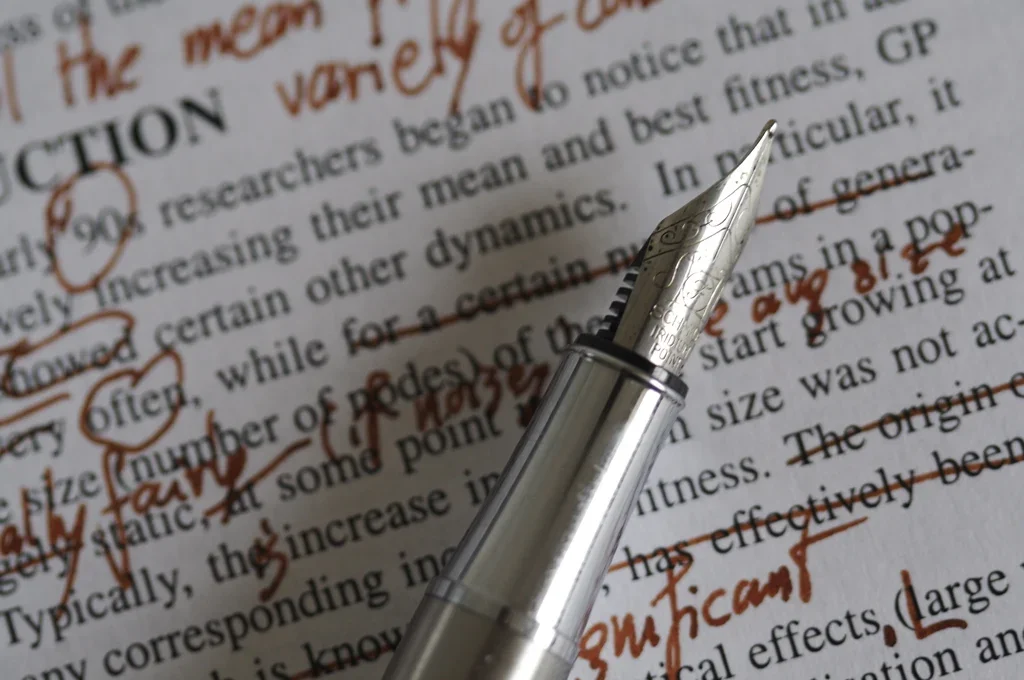
When you pick up a published book, you are holding the result of anywhere from six months to three years of revision work — work that happened specifically because the first draft wasn't ready. You're not seeing the ugly middle. You're seeing the finished sculpture. And then you're looking at your block of marble and wondering why it doesn't look like that yet.
Stop comparing your process to someone else's outcome.
Your first draft's job is singular and specific: to exist. That's it. It doesn't need to be good. It doesn't need to be coherent throughout. It doesn't need to impress anyone, including you. It needs to exist on the page so that the real work — the shaping, the refining, the cutting, the building — can begin.
You cannot edit a blank page. You cannot revise what hasn't been written. The first draft, however imperfect, is the foundation everything else is built on.
What to Do When You Open the Document and Cringe
It will happen. You'll read back yesterday's pages and they'll feel flat or wrong or embarrassing. Here's what to do:
Do not stop to fix it. Not yet. Note it — literally write [REVISIT] in brackets if you need to — and keep moving forward. Stopping to perfect earlier sections while the draft is still incomplete is one of the most reliable ways to never finish the book. You are in excavation mode right now. Polish comes later.
Read the last paragraph of your previous session before you start writing. Just one paragraph. It re-enters you into the world of the manuscript without pulling you into editing mode, and it gives the rhythm something to follow.
Lower the bar on purpose. Give yourself explicit permission to write badly today. Tell yourself: this session is just to get words down. Not good words. Not final words. Just words. This reframe removes the performance pressure that freezes so many writers mid-draft and replaces it with something more honest and more sustainable.
The 3% Truth
Most people who say they want to write a book never finish a first draft. Not because they aren't capable, not because they don't have a story worth telling, but because they waited until the draft felt ready to be seen before they let themselves write it — and that moment never came.
The authors who make it to publication are not the most talented. They are the ones who kept going when the draft felt bad. They are the ones who built a rhythm instead of waiting for inspiration. They are the ones who acknowledged their gremlins with grace and sat back down anyway.
Your first draft is supposed to look like this. Rough and imperfect and alive with potential.
Let it be what it is. Then show up tomorrow and write the next part.
That's how books get finished.
_________________________________
Emily Bauman is a 2x bestselling author and founder of BOSS (Being of Sacred Service) Books, a hybrid publishing company for authors who are done thinking about writing a book and ready to actually publish one into the world. The 3% Blog is for the few who follow through.
Ready to stop drafting in circles and finish your book? [Work with BOSS Books →]